 ultimate-guide
Monthly Cost of Court Alcohol Monitoring Explained
Table of Contents
- What Court Alcohol Monitoring Actually Costs Each Month
- Types of Alcohol Monitoring Technology and Their Price Differences
- Factors That Influence Your Total Court Alcohol Monitoring Cost
- How Long Is Alcohol Monitoring Required After a Conviction
- Indigent Defense and Alcohol Monitoring Fee Waivers
- Using a Portable Breathalyzer for Court Compliance
- Conclusion
Last Updated: August 24, 2026
What Court Alcohol Monitoring Actually Costs Each Month
Court alcohol monitoring costs catch most people off guard. Legal fees drain savings before the sentence starts, then the monitoring bill arrives on top. At SoberSense LLC, we hear this concern constantly from individuals navigating DWI probation, custody disputes, and pretrial supervision.
Court alcohol monitoring is a court-mandated program requiring individuals to demonstrate continuous alcohol abstinence through regular testing, with costs typically borne by the person being monitored rather than the state. Understanding the full financial picture before your first billing cycle is essential for budgeting through what can be a months-long or years-long compliance requirement.
Monthly fees vary considerably depending on technology type, jurisdiction, monitoring agency, and court-ordered duration. Below, we break down every cost component so you know exactly what you're facing.
Installation and Setup Fees
Most monitoring programs charge a one-time installation or enrollment fee before your first monitoring period begins. This covers equipment calibration, account setup, and orientation with the monitoring agency. Setup fees are separate from ongoing daily or monthly fees and are typically non-refundable even if your case resolves early.
According to National Institute of Justice overview of electronic monitoring costs, one-time enrollment fees vary significantly by technology type and provider.
Ask your probation officer or monitoring agency for a written fee schedule before agreeing to any program.
Hidden Costs Beyond the Monthly Fee
The advertised monthly fee rarely tells the full story. Many individuals encounter additional charges not explained upfront:
- Equipment maintenance fees: Routine calibration or sensor replacement
- Data transmission fees: Real-time data transmission costs passed to the user
- Violation reporting fees: Administrative fees for tamper detection or positive alcohol detection
- Replacement equipment charges: Lost, damaged, or malfunctioning device fees
- Court costs and supervision fees: Probation supervision fees charged separately from monitoring technology
Get a complete written fee schedule from your monitoring agency and probation department before your first billing cycle.
Types of Alcohol Monitoring Technology and Their Price Differences
Different monitoring technologies carry different price points. The court's order typically specifies which type you must use. Understanding each system helps you anticipate costs and ask better questions.
Transdermal Ankle Monitors
Transdermal alcohol monitoring detects alcohol concentration through the skin via an ankle bracelet worn continuously. The device samples perspiration at regular intervals and transmits readings to a monitoring agency, creating a compliance record without requiring active participation from the wearer.
These devices are common in pretrial supervision, house arrest, and post-conviction probation. Because the hardware is substantial and data transmission is continuous, transdermal ankle monitors carry higher monthly fees than breath-based alternatives. Many programs charge a daily monitoring fee that accumulates into a monthly total.
The advantage is built-in tamper detection and biometric verification. Courts favor these systems for high-risk cases. The disadvantage is cost and social visibility of wearing an ankle bracelet.
Remote Breath Testing Devices
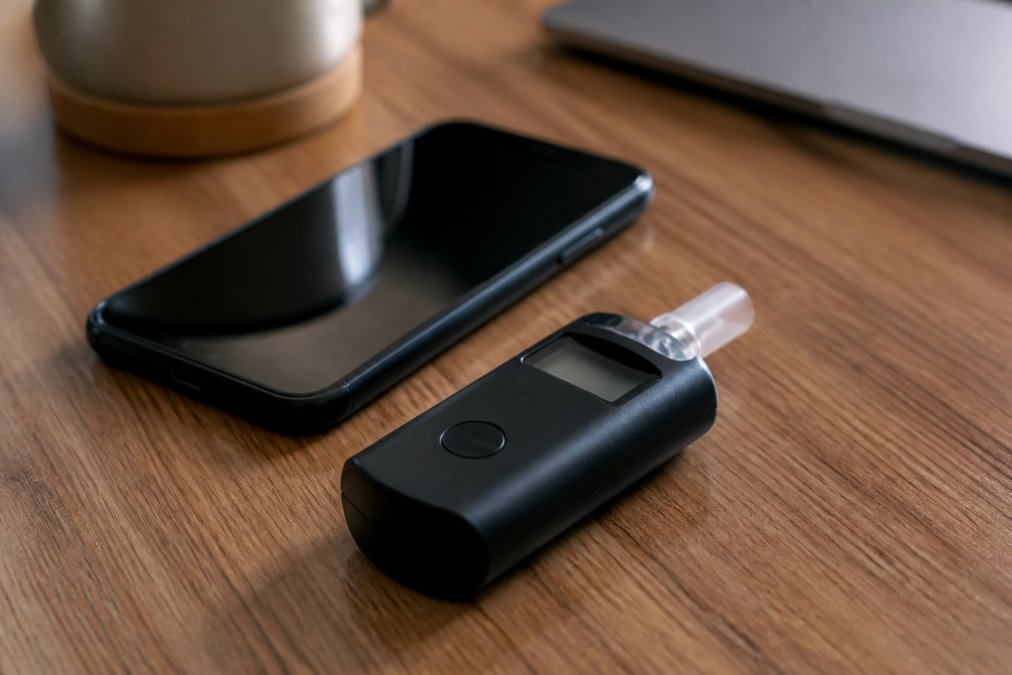
Remote breath testing devices require the user to blow into a breath alcohol device at scheduled intervals, typically with camera or GPS tracking to confirm identity. These systems cost less than transdermal monitors because hardware is simpler and testing is periodic rather than continuous.
Many programs use smartphone-connected devices, which reduces equipment costs further. The monitoring agency sets a mandatory testing schedule, and missed tests or positive readings are flagged immediately.
Continuous Alcohol Monitoring vs. Periodic Testing
Continuous alcohol monitoring captures data around the clock, while periodic testing captures data only at scheduled intervals.
Feature | Continuous Monitoring | Periodic Testing |
|---|---|---|
Monitoring method | Transdermal skin sensor | Breath sample on schedule |
Data frequency | Every 30 minutes or less | 2-4 times daily |
Monthly cost trend | Generally higher | Generally lower |
Court use case | High-risk, DWI repeat offenders | First-time offenders, custody cases |
Visibility | Ankle bracelet (visible) | Handheld device (discreet) |
Tamper detection | Built-in, continuous | Per-test verification |
Courts order continuous monitoring for cases requiring uninterrupted documentation. Periodic testing is more common for first-time DWI offenders, custody disputes, and supervised release programs with lower risk classifications.
Factors That Influence Your Total Court Alcohol Monitoring Cost
Monitoring costs are not fixed. Several variables determine what you'll actually pay each month.
Jurisdiction and monitoring agency: States and counties contract with different monitoring agencies, and pricing is not standardized nationally. Some jurisdictions set maximum allowable fees by statute; others leave pricing to the provider. The National Conference of State Legislatures resource on offender-funded supervision documents how widely fee structures vary across states.
Technology type ordered by the court: Transdermal systems cost more than periodic breath testing. You generally cannot substitute a less expensive technology without a court order modification.
Monitoring duration: Longer monitoring periods sometimes carry lower daily rates through bulk billing, but this is not universal.
Risk classification: Higher-risk classifications typically require more intensive monitoring at higher cost.
Geographic location: Urban jurisdictions with more contracted providers sometimes have more competitive pricing than rural areas.
Compliance history: Some programs offer reduced fees for individuals maintaining a clean compliance record over time.
How Long Is Alcohol Monitoring Required After a Conviction
Alcohol monitoring duration is set by the court at sentencing or as a condition of pretrial supervision, and varies significantly based on offense type, jurisdiction, and individual circumstances.
For a first-time DWI conviction, monitoring periods commonly range from 90 days to one year. Repeat offenders or cases involving accidents may face multi-year requirements. Pretrial supervision monitoring ends when the case resolves. Custody dispute monitoring typically lasts for the duration of the case or until a family court judge modifies the order.
Before calculating your total monitoring cost, you need to know your monitoring duration. Multiply your estimated monthly fee by the number of months ordered, then add your one-time setup fee and a buffer for hidden costs.
Indigent Defense and Alcohol Monitoring Fee Waivers
Court-ordered monitoring costs fall on the individual, not the state, in most jurisdictions. For many people, this creates genuine financial hardship. Fee waiver and reduction mechanisms exist, though they require active effort to access.
Indigent status is a legal designation indicating that an individual cannot afford court-ordered fees without undue hardship. Courts accepting an indigent determination may waive fees entirely, reduce them, or establish a payment plan based on income.
According to Bureau of Justice Assistance guidance on offender-funded supervision and ability to pay, courts are increasingly required to conduct ability-to-pay assessments before imposing supervision fees.
How to Apply for a Fee Reduction or Waiver
Here is a practical checklist:
- Obtain the correct petition form from your probation officer or court clerk's office
- Gather documentation: recent pay stubs, bank statements, tax returns, and existing debt obligations
- Complete a financial assessment disclosure honestly
- File the petition with the court, not the monitoring agency
- Request a hearing date if one is not automatically scheduled
- Bring all financial documentation to the hearing
- Follow up in writing after the hearing to confirm any fee reduction is reflected in your account
A common mistake is submitting a waiver request to the monitoring agency instead of the court. The modification must come from the judge who issued the original order.
Using a Portable Breathalyzer for Court Compliance
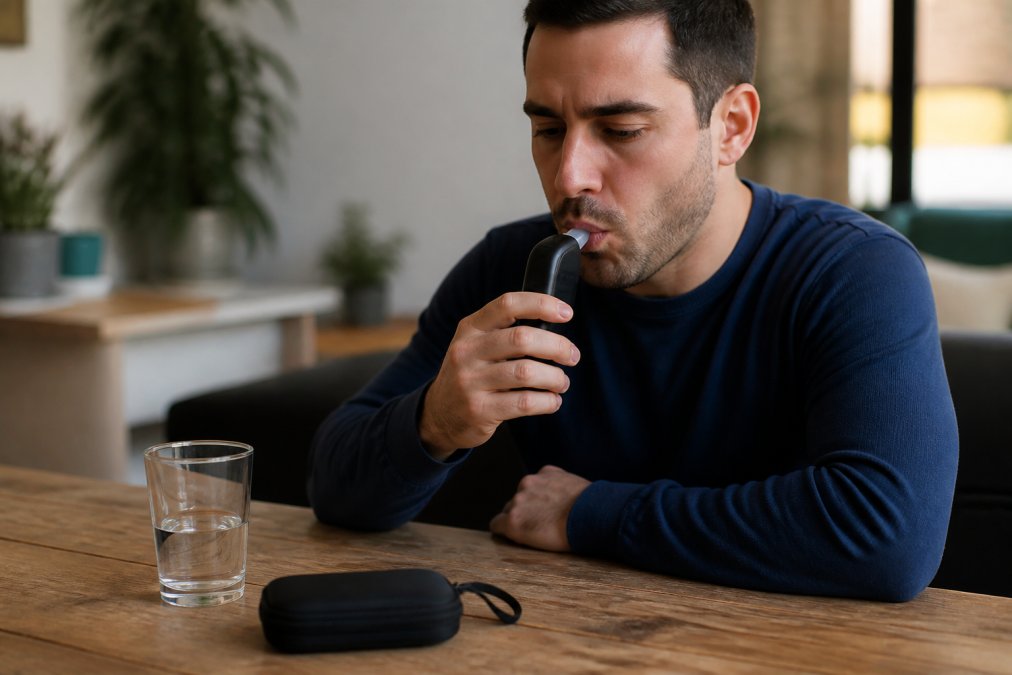
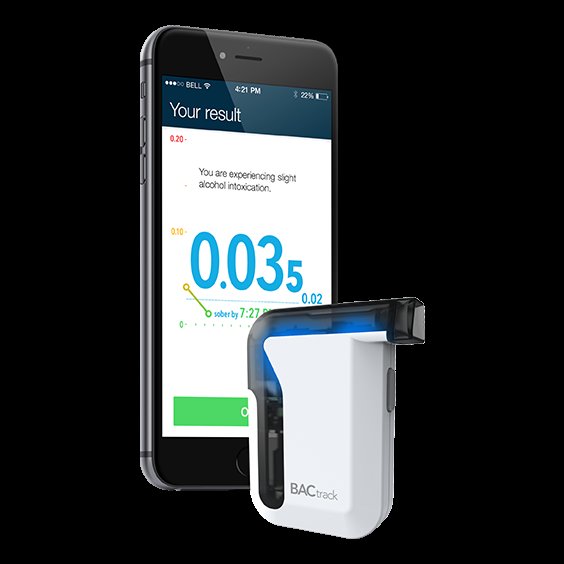
A portable breathalyzer for court compliance is a court-approved device allowing individuals to document alcohol abstinence through on-demand breath testing, typically integrated with a mobile app for timestamped reporting.
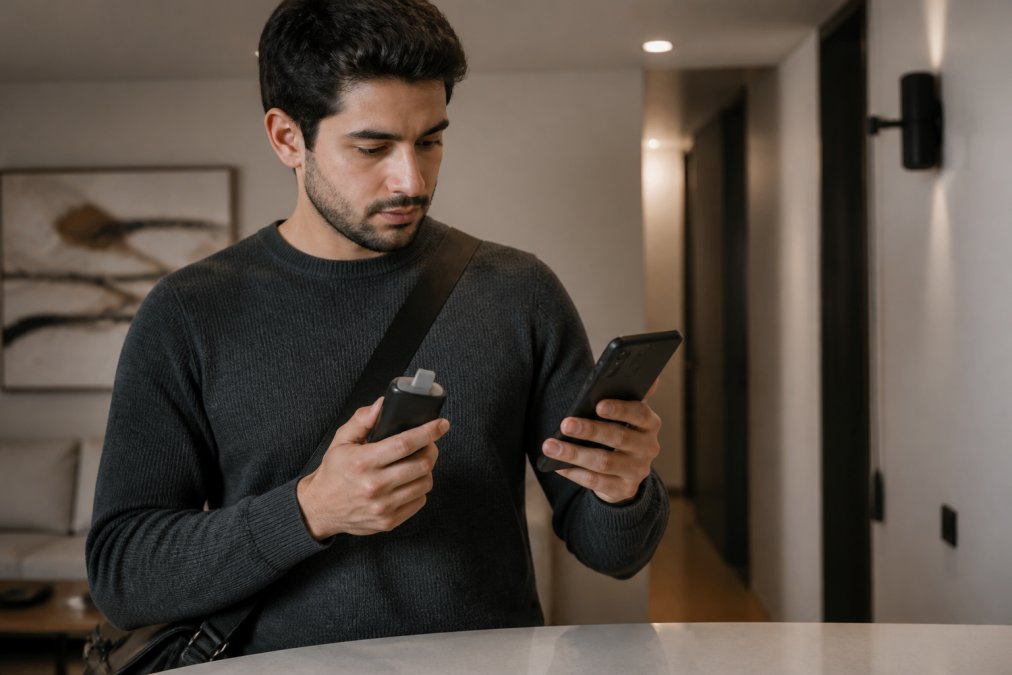
The appeal is obvious: a pocket-sized device is far less visible than an ankle bracelet. For parents in custody disputes, the ability to produce documented, timestamped breath alcohol results without social visibility of an ankle monitor can matter considerably.
SoberSense LLC's court-approved monitoring system uses advanced MicroCheck Sensor technology to deliver accurate blood alcohol content results in five seconds with one-touch operation. The ultra-compact design connects directly to a mobile device, and all personal information is handled with strict privacy protocols.
When evaluating a portable breathalyzer for court use, confirm these specifics with your probation officer or attorney:
- Is the specific device model approved by your court or supervising agency?
- What data is transmitted, to whom, and on what schedule?
- How are test results stored, and who has access?
- What is the protocol if the device malfunctions before a scheduled test?
- Does the device produce court-admissible documentation?
Court-admissible results require devices meeting specific accuracy and certification standards. Confirm approval status before relying on any device for compliance documentation.
Monitoring Type | Typical Billing Structure | Visibility | Best For |
|---|---|---|---|
Transdermal ankle monitor | Daily fee, continuous | High (ankle bracelet) | High-risk, repeat offenders |
Remote breath testing | Daily or monthly fee | Low (handheld device) | First-time offenders, pretrial |
Portable breathalyzer | One-time or subscription | Very low (pocket-sized) | Custody cases, voluntary compliance |
GPS tracking with alcohol sensor | Daily fee, continuous | High (ankle bracelet) | House arrest, supervised release |
Understanding the monthly cost of court alcohol monitoring means looking past the headline fee to the full picture: setup costs, hidden fees, monitoring duration, and your options for financial relief.
The financial burden of court-mandated alcohol monitoring is real. SoberSense LLC offers a court-approved, ultra-compact breathalyzer system with MicroCheck Sensor technology that delivers accurate results in five seconds, connects to your mobile device, and keeps your personal data private. For individuals managing probation requirements, custody disputes, or pretrial supervision, it's a discreet and reliable option worth evaluating. Sign Up Here to learn more about how SoberSense LLC can support your compliance requirements.
Frequently Asked Questions
How much does a court-ordered alcohol monitoring bracelet cost per month?
Monthly fees for transdermal ankle monitors used in court alcohol monitoring vary depending on your jurisdiction, the monitoring agency assigned by the court, and the duration of your supervised release. Always confirm the full fee schedule with your probation officer or monitoring provider before enrollment.
What happens if you cannot afford the monthly fees for alcohol monitoring?
Courts can reduce or waive monitoring fees for individuals who qualify based on indigent status. You typically file a fee reduction petition with the court, supported by documentation of income, expenses, and any existing legal defense costs. Some jurisdictions conduct a formal financial assessment before granting waivers. If you believe you qualify, speak with your attorney or public defender as early as possible — waiting until fees accumulate makes the process harder.
Are there additional fees beyond the monthly rental for alcohol monitoring?
Yes. Beyond the daily or monthly monitoring fee, you may face a one-time installation charge, an equipment deposit, fees for equipment maintenance, data transmission costs, and charges for tamper detection alerts or false positive reviews. Some programs also bill for biometric verification enrollment. These hidden costs can add to your initial outlay, so request an itemized fee schedule from your monitoring agency before signing any agreement.
How do portable breathalyzer costs compare to ankle-worn monitoring devices?
Court-approved portable breathalyzers used for remote breath testing are generally less expensive on a monthly basis than continuous transdermal alcohol monitoring ankle devices. Ankle monitors bill daily and include data transmission fees, while portable breath alcohol devices may have lower per-test or flat monthly costs. However, the court determines which technology is required — you cannot simply substitute one for the other without explicit approval from the judge overseeing your pretrial supervision or probation requirements.
This article was written using GrandRanker