 ultimate-guide
Secure Alcohol Monitoring for Sensitive Cases
Table of Contents
- What Secure Alcohol Monitoring Actually Covers
- Transdermal vs Breath Alcohol Testing: Key Differences
- Court-Approved Alcohol Monitoring Devices: What Qualifies
- Alcohol Monitoring Compliance Requirements by Case Type
- Data Privacy and Legal Rights During Monitoring
- Troubleshooting Common Technical Failures and False Positives
- Integrating Alcohol Monitoring with Substance Abuse Recovery
- Choosing the Right Monitoring Solution for Your Situation
Last Updated: August 25, 2026
Secure alcohol monitoring for sensitive cases is one of the most consequential compliance decisions a person can face. Whether you're managing a court-ordered DWI requirement, navigating a child custody dispute, or overseeing driver safety in a commercial fleet, the device and process you choose directly affects your legal standing. At SoberSense LLC, we work with individuals and professionals across exactly these situations. Below, this guide breaks down every major dimension of alcohol monitoring: the technology, the legal requirements, the privacy protections, and the recovery integration that most providers ignore entirely.
What Secure Alcohol Monitoring Actually Covers
Alcohol monitoring is the systematic, documented measurement of an individual's blood alcohol content or alcohol exposure over time, typically for legal compliance, personal accountability, or workplace safety purposes. The word "secure" means the data is tamper-resistant, the chain of custody is legally defensible, and personal information is protected from unauthorized disclosure.
Most people entering a court-mandated program encounter alcohol monitoring for the first time with no frame of reference. You have transdermal ankle monitors worn continuously, portable breathalyzers with remote reporting, ignition interlock devices tied to vehicle operation, and urine or hair testing for ethyl glucuronide detection. Each method carries different accuracy profiles and different compliance implications.
What most guides miss is that "monitoring" is not a single product, it's a system. The device is only one component. The data transmission protocol, the reporting frequency, the monitoring agency's review process, and the court's acceptance criteria all determine whether your compliance record actually holds up.
Transdermal vs Breath Alcohol Testing: Key Differences
The debate between transdermal and breath-based testing is the central technical question in alcohol monitoring compliance. Both methods detect alcohol, but they measure different things at different points in the body's processing cycle.
How Transdermal Alcohol Monitoring Works
Transdermal alcohol monitoring detects ethanol vapor released through the skin as perspiration. A transdermal ankle monitor captures this vapor continuously and converts it into a transdermal alcohol concentration reading. The key characteristic is its continuous nature, the device generates a data record across hours and days, not just at a single point in time. That record can show patterns of consumption, duration of elevated readings, and time-to-clearance, all of which carry weight in court-ordered compliance reviews. The tradeoff is a lag: transdermal readings typically trail actual consumption by one to two hours.
How Breath-Based Monitoring Works
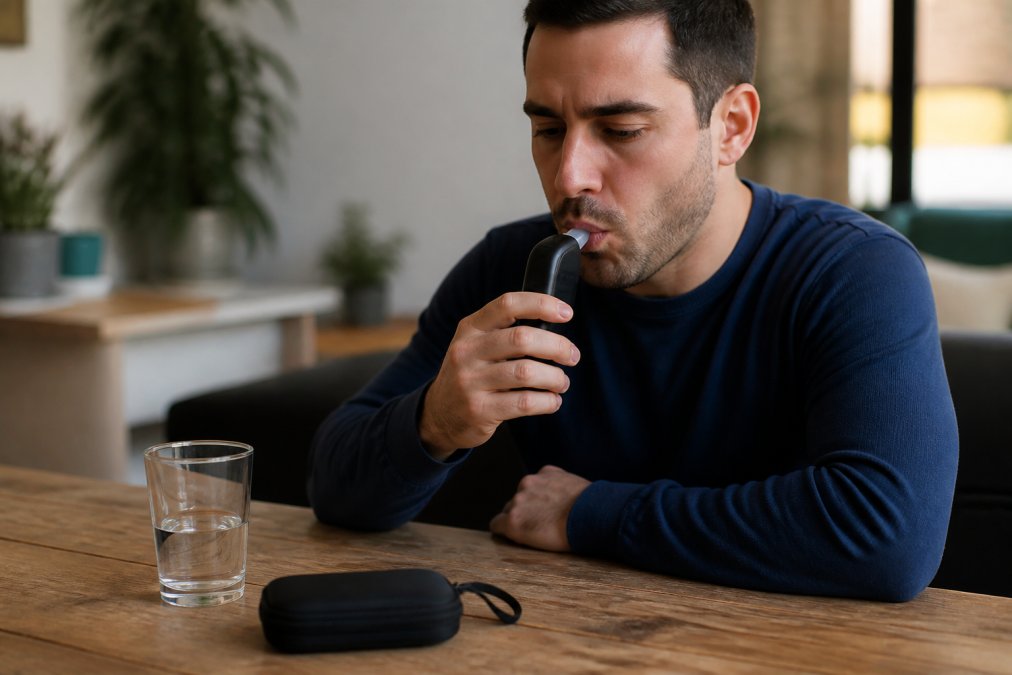
Breath-based monitoring measures alcohol concentration in exhaled air, which correlates directly to blood alcohol content. A fuel-cell sensor is the technology of choice in court-approved devices, generating an electrical current proportional to the alcohol oxidized at the sensor surface. Unlike semiconductor sensors found in consumer-grade devices, fuel-cell sensors are less susceptible to environmental interference from acetone, paint fumes, or other volatile compounds. Most court-approved portable breathalyzers include biometric verification, typically facial recognition, to confirm the person testing is actually the person required to test.
NHTSA guidelines on breath alcohol testing devices
Side-by-Side Comparison Table
| Feature | Transdermal Monitor | Breath-Based Device |
|---|---|---|
| Detection method | Ethanol vapor via perspiration | Exhaled breath via fuel-cell sensor |
| Monitoring frequency | Continuous, 24/7 | On-demand or scheduled |
| Result lag | 1-2 hours behind consumption | Near real-time |
| Tamper detection | Strap sensors, GPS tracking | Facial recognition, photo capture |
| Best for | Continuous court monitoring | Scheduled check-ins, fleet compliance |
| False positive risk | Environmental factors (lotions, adhesives) | Mouth alcohol, certain foods |
| Calibration required | Yes, periodic | Yes, scheduled |
Court-Approved Alcohol Monitoring Devices: What Qualifies
Not every breathalyzer on the market qualifies for legal compliance purposes. Courts and probation departments specify device requirements, and using an uncertified device can result in your compliance record being rejected entirely.
Ignition Interlock Devices
An ignition interlock device is hardwired into a vehicle's ignition system and requires the driver to pass a breath test before the engine will start. Rolling retests are required at intervals during the drive to prevent a sober third party from starting the vehicle for an impaired driver. Most states require installation through a state-approved provider, and the device transmits compliance data directly to the monitoring agency. Missed tests, failed tests, and tamper alerts are logged and reported automatically.
Continuous Transdermal Ankle Monitors
Continuous transdermal ankle monitors are worn around the clock and provide remote monitoring with regular data uploads to a monitoring agency. They are commonly used in electronic home monitoring programs and high-risk offender supervision. The device sensitivity is high enough to detect low-level alcohol exposure, which creates both an advantage and a challenge. Certain topical products, hand sanitizers, and some cosmetics can trigger readings. Anyone on a transdermal monitor program should receive a list of substances to avoid from their monitoring agency.
Portable Breathalyzers with Remote Reporting
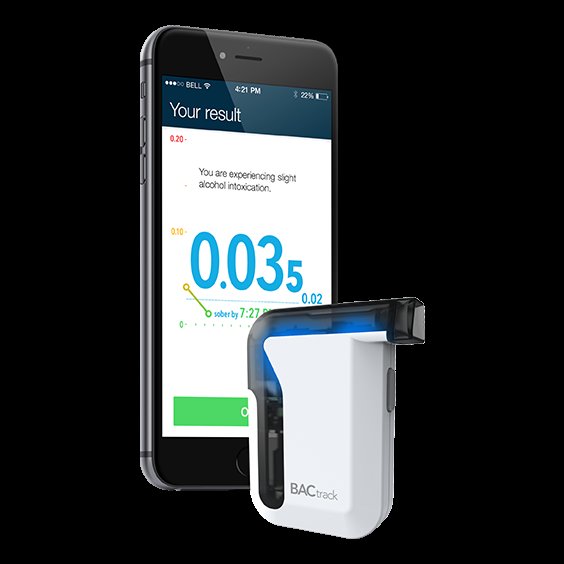
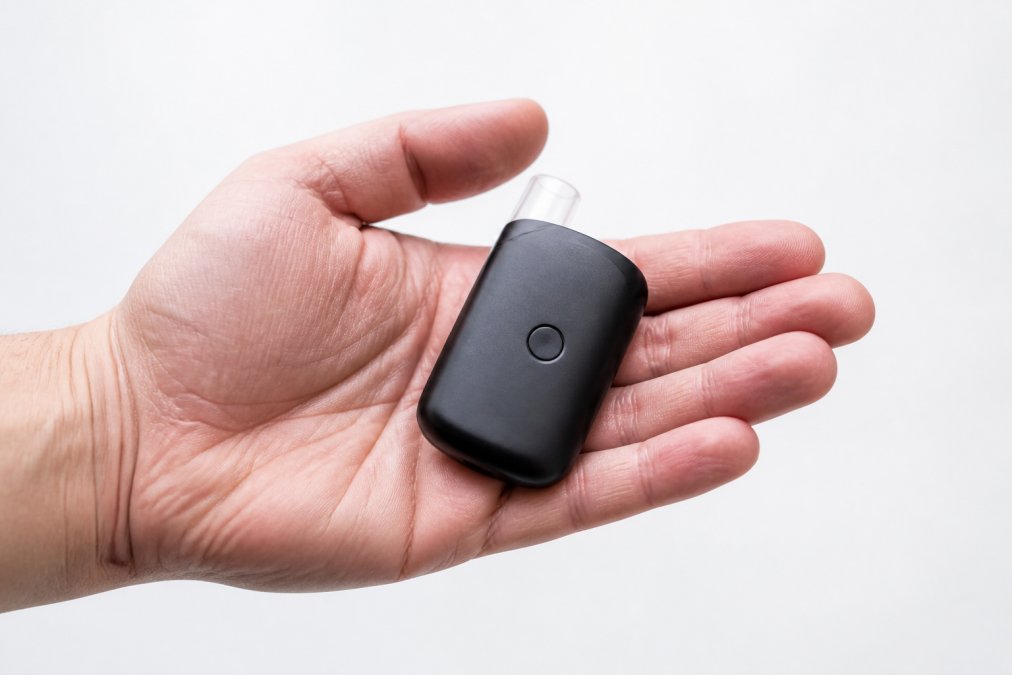
Portable breathalyzers with real-time reporting capability represent the most flexible category. These devices connect to a mobile application, capture a breath sample along with a biometric photo, and transmit the result to a monitoring platform immediately. SoberSense LLC's court-approved system falls into this category. The MicroCheck Sensor technology delivers results in five seconds, the one-touch operation reduces user error, and mobile device connectivity ensures immediate data transmission.
Alcohol Monitoring Compliance Requirements by Case Type
Compliance requirements vary significantly by the type of legal proceeding involved.
DWI and DUI Sentencing Conditions
DWI sentencing conditions are set by the court and administered through probation or a dedicated monitoring agency. Most DWI compliance programs require either an ignition interlock device, a continuous transdermal monitor, or a combination of both, particularly for repeat offenders or cases involving elevated BAC readings at the time of arrest. Understanding the escalation protocol before a violation occurs is important; many individuals don't learn what triggers a probation review until they're already in one. legal evidence collection.
Child Custody and Family Court Situations
Child custody cases involving alcohol monitoring are among the most sensitive applications. The court may order compliance monitoring as a condition of visitation or shared custody, and the reporting requirements are often more frequent and more scrutinized than in criminal proceedings. Privacy is the central concern here. Test results submitted to a family court become part of the legal record and can be accessed by opposing counsel.
Family court alcohol monitoring standards and evidentiary rules
Probation, Parole, and Electronic Home Monitoring
Probation and parole programs vary by jurisdiction, but alcohol monitoring requirements typically include a combination of random testing, scheduled check-ins, and continuous monitoring for higher-risk cases. The reporting frequency is set by the supervising officer, not the individual. Missing a scheduled test, even due to a device malfunction, is treated the same as a failed test in many jurisdictions. Having a documented technical support process and a backup testing option is a practical necessity.
Data Privacy and Legal Rights During Monitoring
Data privacy is the dimension of alcohol monitoring that receives the least attention and carries some of the highest stakes. Every test generates a data record: the result, the timestamp, the biometric image, and in many cases the GPS location. That data travels from the device to a platform to a monitoring agency to the court.
Individuals subject to court-ordered monitoring have legal rights that don't disappear because they're on supervision. The monitoring agency is not permitted to share your data with parties outside the court order without authorization. Practically, this means reading the data agreement before you sign it. Confirm: who is the data custodian, how long is data retained, what triggers a third-party disclosure, and what happens to your data if you complete the program successfully.
SoberSense LLC's approach to data security is built around confidentiality: personal information remains protected and is not shared outside the scope of the user's specific compliance requirement.
Electronic privacy rights for individuals under court supervision
Troubleshooting Common Technical Failures and False Positives
Technical failures are more common than monitoring programs acknowledge, and the consequences of an unexplained anomaly can be severe.
False positives occur when the device registers alcohol presence when none has been consumed. Common causes include residual mouth alcohol from mouthwash or breath spray, environmental interference from industrial solvents or hand sanitizers, device calibration drift, or improper breath capture technique. The standard defense against a false positive is a second test. Most monitoring protocols allow a retest within 15 to 30 minutes to confirm or clear the initial reading. If the second test is negative, the anomaly is flagged but generally does not constitute a violation.
Device malfunctions require immediate contact with the device provider's support line and documentation with a timestamp. Most monitoring agencies have a protocol for reported technical failures, but you must initiate the report proactively.
A practical checklist for managing technical issues:
- Keep the device charged and calibrated per the manufacturer's schedule
- Avoid all alcohol-containing products for 15 minutes before testing
- Store the device away from extreme temperatures and chemical fumes
- Save the support contact number in your phone before you need it
- Document any anomalous readings with a timestamp immediately
Integrating Alcohol Monitoring with Substance Abuse Recovery
Alcohol monitoring and substance abuse recovery are often treated as separate tracks, one a legal obligation, the other a personal choice. That separation is a missed opportunity. The most effective outcomes occur when monitoring data becomes a tool within the recovery process, not just a compliance checkbox.
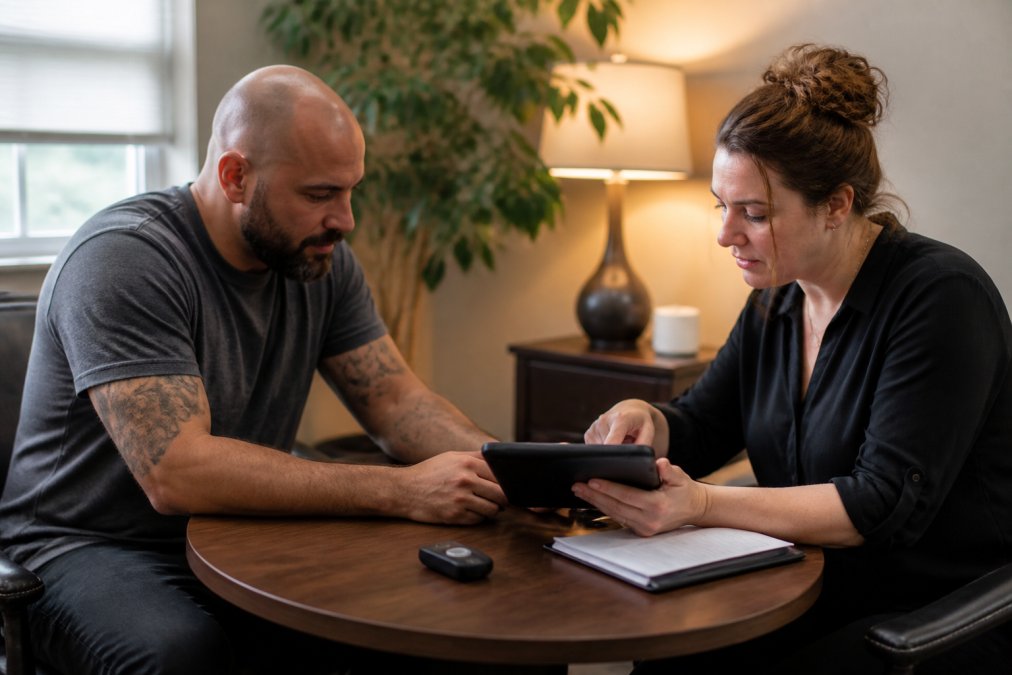
Many recovery programs welcome objective monitoring data as part of the accountability structure. Sharing consistent compliance records with a counselor or sponsor provides external reinforcement of internal progress. It also creates a documented history that can support early termination of monitoring requirements in some jurisdictions.
The psychological dimension deserves direct acknowledgment. Wearing a continuous monitor or testing multiple times per day carries a real cognitive and emotional load. Recovery-oriented monitoring means integrating the compliance requirement into a broader support framework rather than enduring it in isolation. Discuss the monitoring schedule with your counselor and use the compliance record as evidence of progress.
According to SAMHSA's national guidelines on substance use treatment integration, coordinating monitoring requirements with treatment providers improves both compliance rates and recovery outcomes.
Choosing the Right Monitoring Solution for Your Situation
The right alcohol monitoring solution depends on three factors: what the court or program specifically requires, what your daily life actually looks like, and what level of data security you need.
| Situation | Recommended Device Type | Key Consideration |
|---|---|---|
| DWI/DUI court order, vehicle operation | Ignition interlock device | State-approved provider required |
| Continuous court supervision | Transdermal ankle monitor | 24/7 wear, avoid certain topicals |
| Probation check-ins, custody compliance | Portable breathalyzer with remote reporting | Biometric verification required |
| Personal accountability, fleet management | Court-approved portable breathalyzer | Confirm compatibility with compliance software |
| Child custody, sensitive legal proceedings | Portable breathalyzer with secure data handling | Review data disclosure terms carefully |
For individuals who need a portable, court-approved option with verifiable accuracy and genuine data privacy, SoberSense LLC's MicroCheck Sensor system addresses the core requirements directly: five-second results, one-touch operation, mobile connectivity, and a documented commitment to confidential data handling.
The most common mistake is choosing a device based on price or convenience without confirming court acceptance. Verify with your attorney or probation officer that any device you use meets the specific requirements of your order before your first test.
Secure alcohol monitoring for sensitive cases is not a one-size-fits-all problem. The combination of the right device, a clear understanding of your legal requirements, and a support structure that includes recovery resources gives you the strongest possible foundation, both for compliance and for what comes after it.
Managing alcohol monitoring compliance across a legal proceeding is stressful, and the technical and legal details compound that stress quickly. SoberSense LLC offers a court-approved, pocket-sized monitoring system with advanced MicroCheck Sensor technology, five-second accurate results, and secure data handling designed for exactly these situations. For individuals in DWI programs, custody disputes, or probation requirements who need reliable, discreet, and legally defensible alcohol monitoring, the SoberSense LLC system provides the precision and privacy that sensitive cases demand. Sign Up Here to get started with a monitoring solution built for your situation.
Frequently Asked Questions
Are portable breathalyzers accepted for sensitive legal cases like custody disputes or probation?
Portable breathalyzers can be accepted in sensitive legal cases, but acceptance depends entirely on court approval and the device's certification. For custody disputes or probation, the monitoring system must produce documented, tamper-evident results that a monitoring agency or judge can verify. Devices using fuel-cell sensor technology and secure data transmission are generally viewed more favorably than basic consumer-grade units. Always confirm with your attorney or probation officer before selecting a device to ensure it meets your specific compliance requirements.
What is the difference between transdermal and breath-based alcohol monitoring?
Transdermal monitoring measures ethanol vapor released through perspiration via a sensor worn on the wrist or ankle, recording transdermal alcohol concentration continuously over time. Breath-based monitoring captures a breath sample and analyzes it instantly for blood alcohol content using a fuel-cell sensor. Transdermal devices excel at continuous, passive monitoring and are harder to circumvent, but they lag real-time alcohol levels by 30 to 90 minutes. Breath testing delivers immediate results and is better suited for on-demand compliance checks required by courts or fleet managers.
How do secure monitoring systems protect my personal data and test results?
Reputable court-approved alcohol monitoring systems restrict data access to authorized parties, typically your monitoring agency or the court. Results should be transmitted through encrypted channels and stored on secure servers. Your test history should not be accessible to third parties, including opposing counsel in a custody case, without a formal court order. Before enrolling in any monitoring program, review the provider's privacy policy and ask specifically who can access your results, how long data is retained, and under what legal circumstances it can be disclosed.
What happens if my monitoring device malfunctions or produces a false positive?
A false positive or device malfunction does not automatically mean a compliance violation. Document the issue immediately: note the date, time, and circumstances, and contact your monitoring provider's support line right away. Many devices log environmental interference data that can help explain anomalous readings. Notify your probation officer or attorney before your next check-in so the incident is on record. Devices with calibration logs and tamper-alert histories make it easier to dispute erroneous readings. Choosing a provider with accessible, responsive support staff is critical for exactly these situations.
This article was written using GrandRanker