 listicle
Court-Approved Alcohol Monitoring Devices: A 2026 Guide
Table of Contents
- What Court-Approved Alcohol Monitoring Devices Do
- Types of Court-Ordered Alcohol Monitoring Systems
- Portable Alcohol Monitoring Device Requirements
- How Alcohol Monitoring Devices Work
- Court-Ordered Alcohol Testing Compliance
- Ignition Interlock Device Cost and Installation
- Choosing the Right Device for Your Situation
- Conclusion
- Frequently Asked Questions
Last Updated: August 27, 2026
What Court-Approved Alcohol Monitoring Devices Do
Court-approved alcohol monitoring devices measure blood alcohol content and provide documented evidence of sobriety for individuals under legal mandate in DWI, DUI, custody, and probation cases. These systems detect alcohol in breath or transdermal samples, record results with timestamps, and transmit data to probation officers, courts, or family law representatives. Modern alcohol monitoring devices eliminate guesswork from compliance verification, providing continuous or scheduled documentation that stands up in legal proceedings.
For individuals navigating DWI probation, custody disputes, or court-ordered sobriety requirements, understanding what these devices do is essential. They're not punishment; they're accountability infrastructure that reduces friction between you and your obligations when your freedom, custody rights, or professional license depends on documented compliance.
Types of Court-Ordered Alcohol Monitoring Systems
Court-ordered alcohol monitoring comes in three primary categories, each suited to different legal contexts and monitoring intensity.
Portable Breathalyzers and Remote Breath Testing
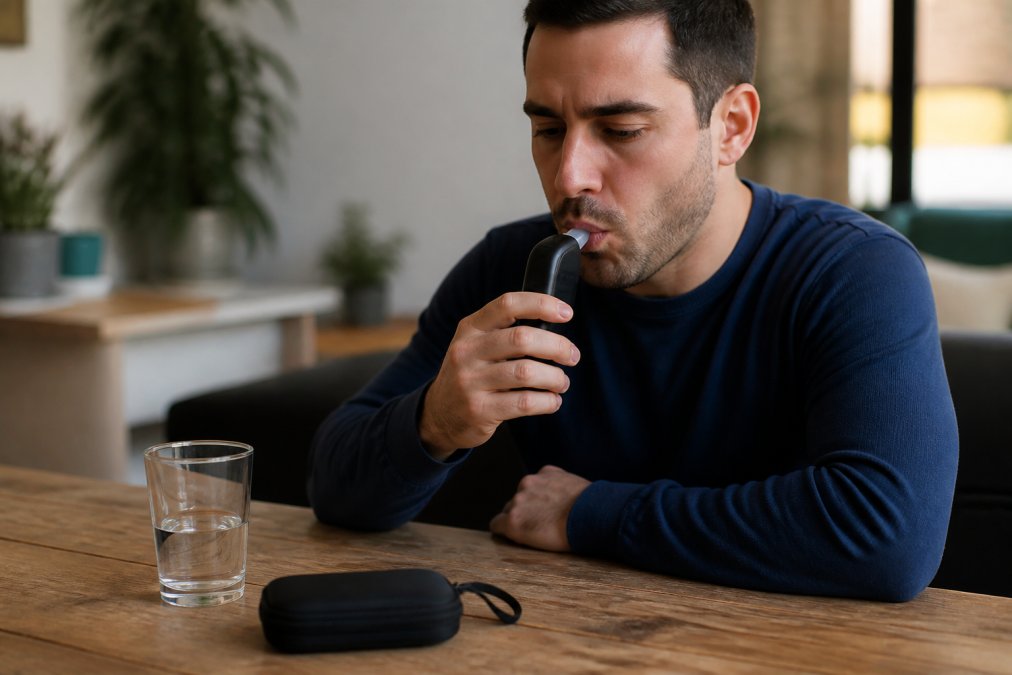
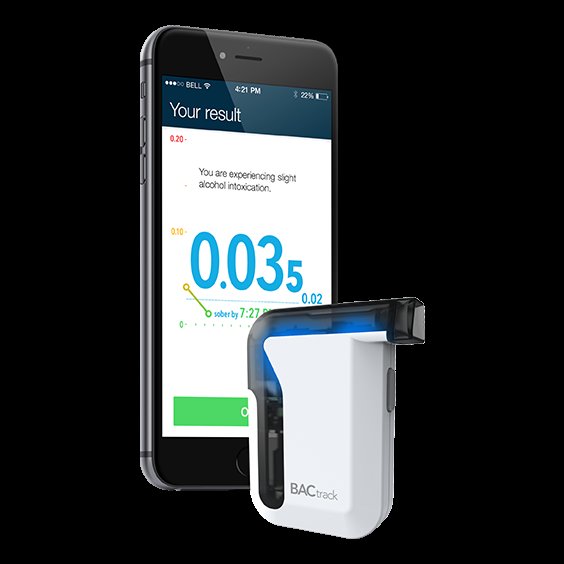
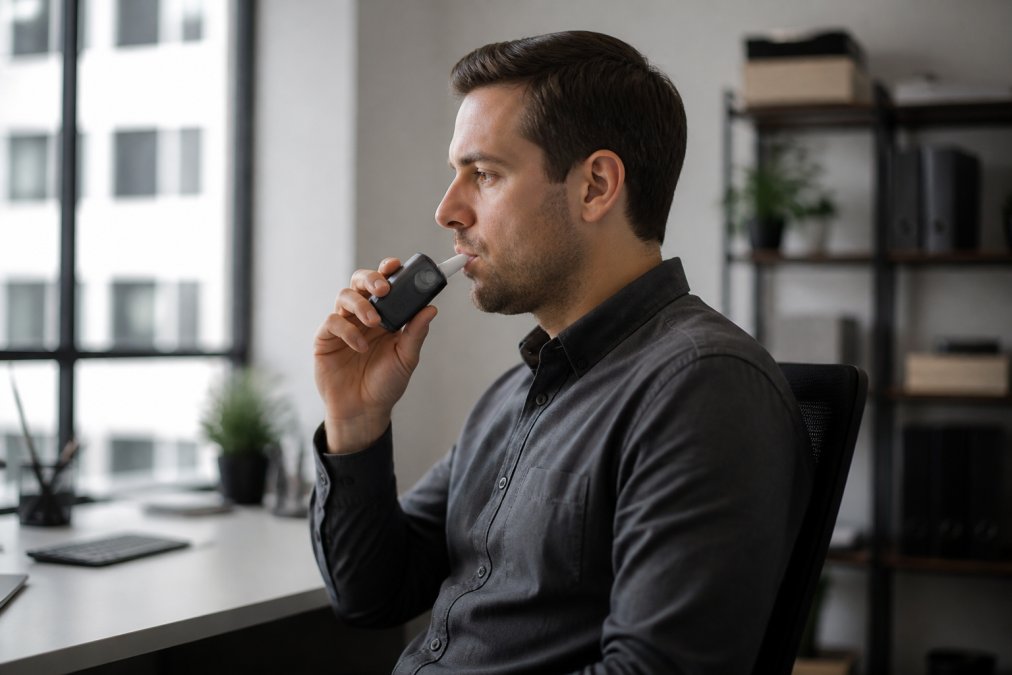
Portable breathalyzers measure blood alcohol content through breath analysis using fuel cell sensor technology or semiconductor sensors to detect ethanol molecules. Users blow into a mouthpiece, and the device calculates blood alcohol content within seconds. Results are timestamped and often include biometric verification such as photo or fingerprint scans to confirm the person taking the test is the individual being monitored.
The advantage is convenience and flexibility for individuals who work irregular hours or need to comply without scheduling around facility hours. The limitation is that portable devices require user cooperation; they can't force a test if you choose not to participate.
Ignition Interlock Devices
An ignition interlock device is installed in a vehicle's dashboard and prevents the engine from starting if the driver's breath alcohol content exceeds a preset threshold. Before the vehicle will start, the driver must provide a breath sample. If the reading exceeds the legal limit, the engine won't turn over. Some systems also require rolling retests at random intervals while driving.
Ignition interlocks are effective because they create a physical barrier to driving while impaired. However, they're vehicle-specific and only monitor driving in that one car. Someone on an ignition interlock mandate can still drink at home; the device just prevents them from driving afterward.
Transdermal and Continuous Monitoring
Transdermal alcohol monitoring uses a wearable device, typically a bracelet or anklet, that measures alcohol levels through the skin by sampling sweat at regular intervals and detecting ethanol metabolites. This approach provides continuous 24/7 monitoring without requiring active user participation.
Continuous monitoring is often court-ordered in cases of non-compliance history or high-risk custody disputes. The tradeoff is intrusiveness: a wearable device is visible and affects employment prospects and social situations. False positives can occur if the device detects alcohol from skin products or environmental exposure rather than consumption.
Portable Alcohol Monitoring Device Requirements
Portable alcohol monitoring devices used in court-mandated situations must meet specific technical and legal standards to be admissible as evidence. The device must be certified by the manufacturer and approved by the relevant state authority or court system. Using an unapproved device, even if technically similar, can result in non-compliance findings.
Calibration is non-negotiable. Portable breathalyzers must be calibrated regularly, typically every 30 to 90 days depending on manufacturer specifications and state requirements (nhtsa.gov). If your device hasn't been calibrated within the required window, test results may be inadmissible in court or treated as invalid by your probation officer.
The device must have tamper-evident features that detect and record any attempt to manipulate, disassemble, or interfere with it. If the device logs a tamper event, you'll need to explain it, and explanations are rarely accepted in court.
Data transmission security is mandatory. All test results, timestamps, and biometric verification data must be encrypted during transmission to the monitoring agency. Your personal information must be stored securely and shared only with authorized parties specified in your court order.
How Alcohol Monitoring Devices Work
Alcohol monitoring devices operate on one of two primary sensing technologies: fuel cell sensors or semiconductor sensors. Fuel cell sensors use an electrochemical reaction to detect ethanol, generating an electrical current proportional to ethanol concentration (peer-reviewed research). The device measures this current and converts it to a blood alcohol content estimate. Fuel cell sensors are more accurate and less prone to false positives, which is why courts prefer them.
Semiconductor sensors use a heated metal oxide that changes electrical resistance when exposed to ethanol vapors. They're less expensive but more susceptible to false positives from other volatile compounds like mouthwash or acetone. Courts typically reject data from semiconductor-based devices because the error rate is too high.
The testing process is simple: you activate the device, place your mouth on the mouthpiece, and blow steadily for 3-5 seconds. The device analyzes your breath and displays the result within 5-10 seconds. Behind the scenes, the device records the exact time, result, and sometimes biometric data confirming your identity. If the device has mobile connectivity, this data is encrypted and transmitted to a monitoring agency database.

Accuracy depends on proper use. Eating, drinking, or smoking immediately before a test can skew results. Some devices require a waiting period after eating or drinking non-alcoholic beverages.
Court-Ordered Alcohol Testing Compliance
Compliance with court-ordered alcohol testing means following the specific protocol outlined in your court order or probation conditions. Your probation officer will specify the testing schedule: daily, weekly, random, or on-demand. Missing a scheduled test is treated as a positive result in most jurisdictions, regardless of whether you actually consumed alcohol.
Random testing is common in DWI probation. You may receive a phone call or notification requiring you to report for a test within a specified timeframe, often 24 hours. Failing to comply with a random test request is an immediate violation. If you have a legitimate reason you can't test, you need to document it and notify your probation officer immediately.
Reporting requirements vary by jurisdiction and case type. In DWI probation, results typically go to your probation officer. In family law custody cases, results may go to the court, your attorney, and your ex's attorney. You have the right to request copies of all test records and challenge any results you believe are inaccurate.
False positives happen. If a test shows alcohol consumption but you didn't drink, you have the right to request a confirmatory test or blood test to verify the result. However, you must act quickly, usually within 24-48 hours. Document what you ate, drank, or used topically in the hours before the test.
Ignition Interlock Device Cost and Installation
Ignition interlock installation is mandatory in many states for DWI convictions, but cost and process vary by jurisdiction and device provider. Installation typically costs between $100 and $300 per vehicle (nhtsa.gov). The device is rented rather than purchased; monthly rental fees vary based on the service provider and state regulations. You'll also pay for calibration appointments, required monthly or quarterly depending on your state's rules.
The installation process takes 1-2 hours. A certified technician will install the device in your vehicle's dashboard, connecting it to your ignition system and fuel pump. Calibration appointments are mandatory and non-negotiable. Missing a calibration appointment is a violation of your probation or court order.
Some individuals are required to maintain an ignition interlock for 6 months to 3 years depending on offense history and state law. If you can't afford the device, some states offer cost-reduction programs or payment plans through the device provider or court system.
Choosing the Right Device for Your Situation
Selecting the appropriate alcohol monitoring device depends on your specific legal mandate, work situation, and lifestyle. If your court order specifies portable breathalyzer testing, ask for a list of approved devices. Devices with mobile app connectivity let you track your own test history and receive reminders, reducing the chance of missing a scheduled test.
For ignition interlock mandates, research providers in your area and compare their calibration schedules and customer service responsiveness. You'll be interacting with this provider for months or years, so reliability matters.
If you're facing transdermal monitoring, prepare for the visibility and social impact. Some employers have policies against visible monitoring devices. If this applies to your situation, discuss it with your attorney before the device is ordered; judges may consider alternative monitoring methods if there's documented employment hardship.
Consider your daily routine when preparing for compliance. If you travel frequently, a portable device with mobile app connectivity is more practical than facility-based testing.
SoberSense LLC offers a court-approved portable alcohol monitoring system designed for individuals who need reliable, discreet testing without the inconvenience of facility visits. The advanced MicroCheck Sensor technology delivers accurate results in just five seconds, and the ultra-compact design fits easily into daily routines. Mobile device connectivity allows you to track your compliance history and receive testing reminders, reducing the anxiety of missing a scheduled test.
Device Type | Testing Location | Frequency | Best For |
|---|---|---|---|
Portable Breathalyzer | Home, work, on-demand | Daily or random | Flexible schedules, multiple daily tests |
Ignition Interlock | Vehicle | Every start + rolling retests | DWI offenders, vehicle-based monitoring |
Transdermal Monitor | Continuous, wearable | 24/7 sampling | High-risk cases, non-compliance history |
Remote Breath Testing | Home or mobile app | Scheduled or random | Privacy-conscious individuals, work flexibility |
Conclusion
Court-approved alcohol monitoring devices are objective accountability tools that protect your legal standing while providing clear documentation of compliance. Whether you're navigating DWI probation, custody requirements, or family court mandates, understanding how these systems work removes uncertainty from an already stressful process.
The key to successful compliance is preparation: know your device, understand your testing schedule, and address any technical or false-positive issues immediately. Consistent compliance demonstrates your commitment to the court and strengthens your position in legal proceedings.
Frequently Asked Questions
What makes a portable alcohol monitoring device court-approved?
Court-approved alcohol monitoring devices must meet specific accuracy standards and calibration requirements set by state regulations and the Department of Transportation. Approved devices use fuel cell sensors or transdermal technology to measure blood alcohol content reliably. The device manufacturer must provide documentation of accuracy testing, and the device must produce tamper-evident records. Courts verify accuracy through periodic calibration checks and comparison testing. SoberSense LLC's MicroCheck Sensor technology delivers results in five seconds with the precision courts require for legal compliance and probation monitoring.
How much does an ignition interlock device cost in Texas?
Ignition interlock device costs vary based on the provider, lease versus purchase options, and monitoring duration. Typical expenses include installation fees, monthly rental or monitoring charges, and calibration costs. Since pricing depends on your specific court order, sentence length, and provider selection, contact your probation officer for approved vendors in your county. Many providers offer payment plans to spread costs over your compliance period. Get a detailed quote from your assigned monitoring service to understand total expenses.
What's the difference between a portable breathalyzer and an ankle monitor?
Portable breathalyzers measure breath alcohol content at the moment of testing and require active participation. Ankle monitors (transdermal devices) continuously measure alcohol through sweat and track location via GPS. Portable devices suit probation cases requiring regular testing; transdermal monitors apply to stricter sentences or house arrest conditions. Portable options offer more discretion and flexibility, while continuous monitors provide courts with real-time compliance data. Your court order determines which type you'll use based on DWI severity, prior history, and sentencing guidelines.
Can I use a portable alcohol monitoring device for court compliance without an ignition interlock?
Yes, portable breathalyzers can satisfy court-ordered alcohol testing compliance when your sentence specifies remote breath testing instead of ignition interlock requirements. Many courts allow portable devices for probation monitoring, child custody cases, or family court proceedings. Your specific court order outlines which monitoring method applies to your case. If your order requires an ignition interlock for vehicle operation, you cannot substitute a portable device for that requirement. Always confirm your exact compliance obligations with your probation officer or attorney.
This article was written using GrandRanker